Aurora Scott analyzes potential contenders in the cryptocurrency market that may follow Bitcoin's path in her latest examination published on Thursday, January 22, 2026 at 12:04 AM.
The cryptocurrency market is characterized by its volatility and rapid evolution, with investors constantly searching for the next asset that could mirror Bitcoin’s historic growth. Bitcoin, introduced in 2009, not only pioneered the blockchain technology but also became a store of value, leading many to ask what crypto will be the next bitcoin. This quest for the next significant cryptocurrency is driven by both financial aspirations and a desire for technological advancements.
Bitcoin is a decentralized digital currency that operates on a peer-to-peer network, allowing transactions to occur without the need for intermediary banks. Its underlying technology, blockchain, ensures transparency and security, which has significantly contributed to Bitcoin’s rise as a lucrative investment vehicle. Each successive block in the blockchain contains transaction data that is cryptographically secured.
With the recent surge in interest around cryptocurrency investments, understanding the factors that contribute to a cryptocurrency’s potential for significant appreciation is crucial. Attributes such as technology robustness, market adoption, developer activity, and regulatory compliance are critical in assessing which cryptocurrencies might follow in Bitcoin’s footsteps. Potential contenders in the cryptocurrency market

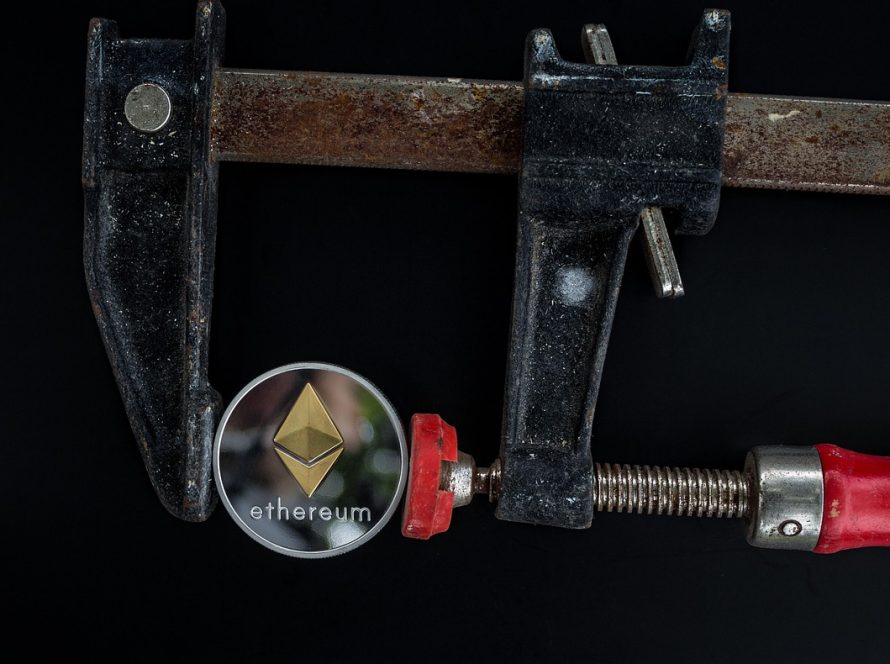
This graphic is a conceptual representation of the cryptocurrency market landscape.
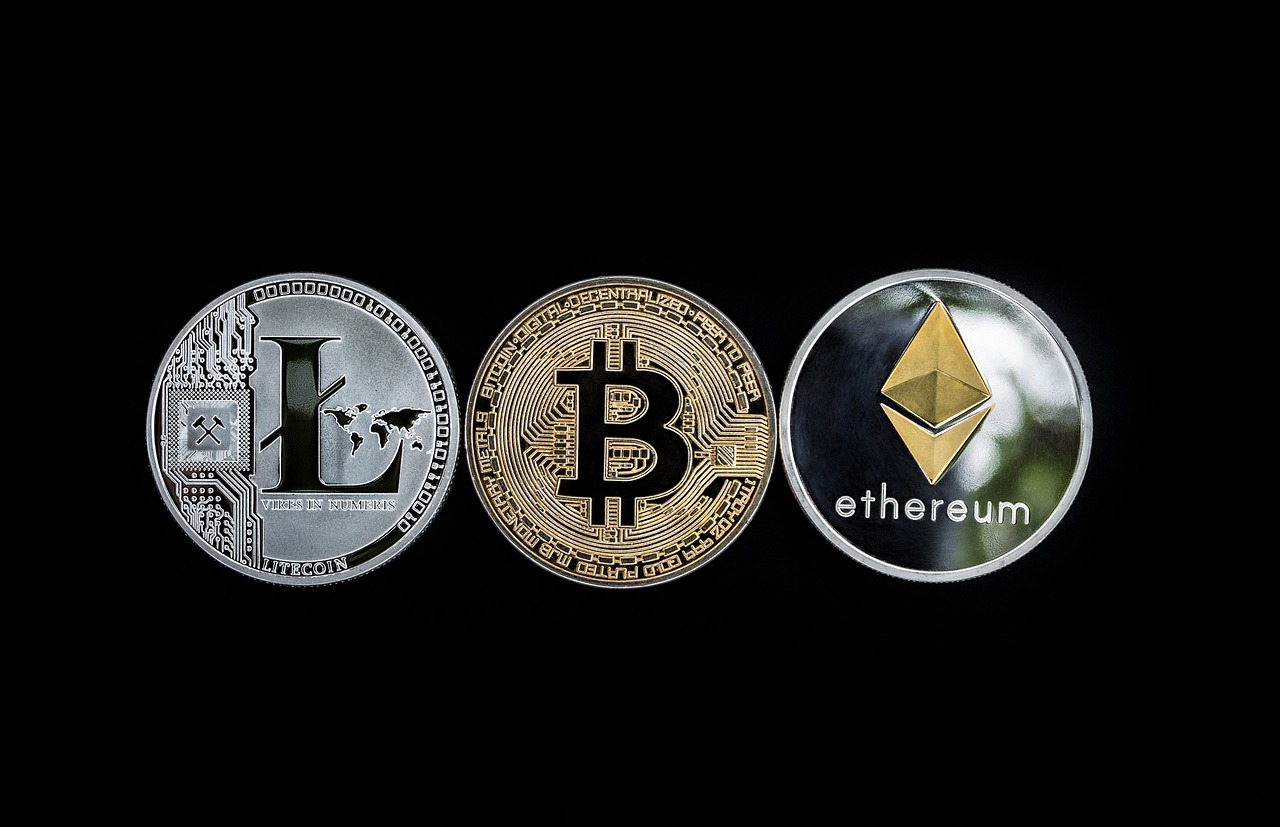
Several cryptocurrencies have emerged with the promise of achieving similar heights as Bitcoin, including Ethereum, Cardano, and Solana. Ethereum introduced smart contract functionality, enabling a vast array of decentralized applications (dApps) and attracting significant developer interest. Cardano is noted for its emphasis on academic research and peer-reviewed security, while Solana boasts high transaction speeds and lower costs, making it an attractive option for developers and users alike.
Investment in cryptocurrencies carries inherent risks and should be approached with caution. While many investors seek substantial returns, it’s essential to consider volatility, regulatory scrutiny, and technological obsolescence in the decision-making process. Historical growth of Bitcoin

Evaluating the tradeoffs involved in investing in potential successors to Bitcoin is equally important.
One major consideration is the inherent volatility that characterizes the cryptocurrency market. Investments in these assets can lead to significant losses as the market can swing dramatically in a short period. Additionally, many cryptocurrencies may not have established networks or user bases comparable to Bitcoin’s, which may make them more susceptible to failure. Lastly, regulatory uncertainties can pose additional risks, as changes in government policy can lead to abrupt market shifts.
To determine which cryptocurrency might become the next Bitcoin, one can follow these steps: Financial aspirations and a desire for technological advancements
1. Research and analyze the technology behind various cryptocurrencies.
2. Evaluate their market capitalization and trading volume trends.
3. Investigate partnership agreements and adoption within various sectors.
4. Monitor regulatory frameworks in key markets.
5. Assess the community and developer engagement surrounding each cryptocurrency.
6. Compare historical performance metrics against Bitcoin.
7. Diversify investments to mitigate risks associated with individual assets.
| Cryptocurrency | Key Features | Market Capitalization (est.) |
|—————-|———————————–|——————————-|
| Bitcoin | Store of value, first mover | $550 billion |
| Ethereum | Smart contracts, dApps, DeFi | $220 billion |
| Cardano | Academic research focus, scalability | $10 billion |
| Solana | High speed, low transaction costs | $15 billion |
In practice, the journey to identify a cryptocurrency with the potential to replicate Bitcoin’s success involves continuous monitoring of emerging technologies, market trends, and investor sentiment. Data from industry audits indicate that the cryptocurrency market has grown tremendously, reaching a total market cap of approximately $1 trillion, with Bitcoin representing around 55% of this total.
As more cryptographic innovations develop, it is essential to stay informed about both existing cryptocurrencies and those in development. Technologies such as decentralized finance (DeFi) and non-fungible tokens (NFTs) are reshaping investment landscapes and hold potential for new cryptocurrencies to rise.
The search for the next Bitcoin is a blend of careful analysis and proactive engagement with a rapidly evolving marketplace. A well-informed approach can lead to discovering promising investment opportunities while managing the associated risks inherent in the cryptocurrency domain. Understanding the nuances, market conditions, and technological advances will ultimately influence informed investment decisions in the context of aspiring cryptocurrencies.
Key Takeaways
- Several cryptocurrencies, such as Ethereum and Binance Coin, have significant market presence and utility, making them potential candidates for substantial growth similar to Bitcoin.
- Market analysts suggest that factors like technological innovation, community support, and real-world adoption play critical roles in determining whether a cryptocurrency could experience similar success to Bitcoin.
- The volatility of the crypto market means that while some coins may show promise, investment carries inherent risks that should be carefully assessed.
What characteristics define a cryptocurrency that could potentially become the next Bitcoin?
A cryptocurrency that may emerge as the next Bitcoin typically possesses features like strong decentralization, high liquidity, a solid technological foundation, and substantial community support. Additionally, it should solve real-world problems or improve upon Bitcoin's limitations, such as transaction speed or energy consumption. However, this introduces tradeoffs that must be evaluated based on cost, complexity, or network conditions.
In what scenarios might a digital asset compete with Bitcoin in everyday transactions?
A digital asset could compete with Bitcoin in everyday transactions if it offers lower transaction fees and faster confirmation times. For example, cryptocurrencies like Litecoin or Bitcoin Cash aim to provide quicker and cheaper transactions, which can be crucial for regular purchases or micropayments. However, this introduces tradeoffs that must be evaluated based on cost, complexity, or network conditions.
How do alternative cryptocurrencies compare to Bitcoin in terms of market acceptance?
Alternative cryptocurrencies, like Ethereum and Cardano, vary in market acceptance based on their use cases and ecosystem development. For instance, Ethereum's smart contract functionality attracts developers and businesses, but its transaction congestion and gas fees can limit practical use compared to Bitcoin's status as a store of value. However, this introduces tradeoffs that must be evaluated based on cost, complexity, or network conditions.