Aurora Scott provides an analysis of the latest developments in crypto trading indicators as of Wednesday, January 21, 2026 at 06:56 PM.
Crypto trading indicators are tools used by traders to analyze the market and inform their trading decisions. These indicators process historical price data, volume, and market trends to generate signals suggesting potential entry or exit points for trades. By utilizing mathematical calculations, they aim to identify patterns that might indicate future price movements.
Crypto trading indicators operate in various forms, including trend indicators, momentum indicators, volume indicators, and volatility indicators. While each type serves distinct functions, they collectively help traders make informed decisions based on quantitative data analysis rather than emotion-driven trading. Latest developments in crypto trading indicators

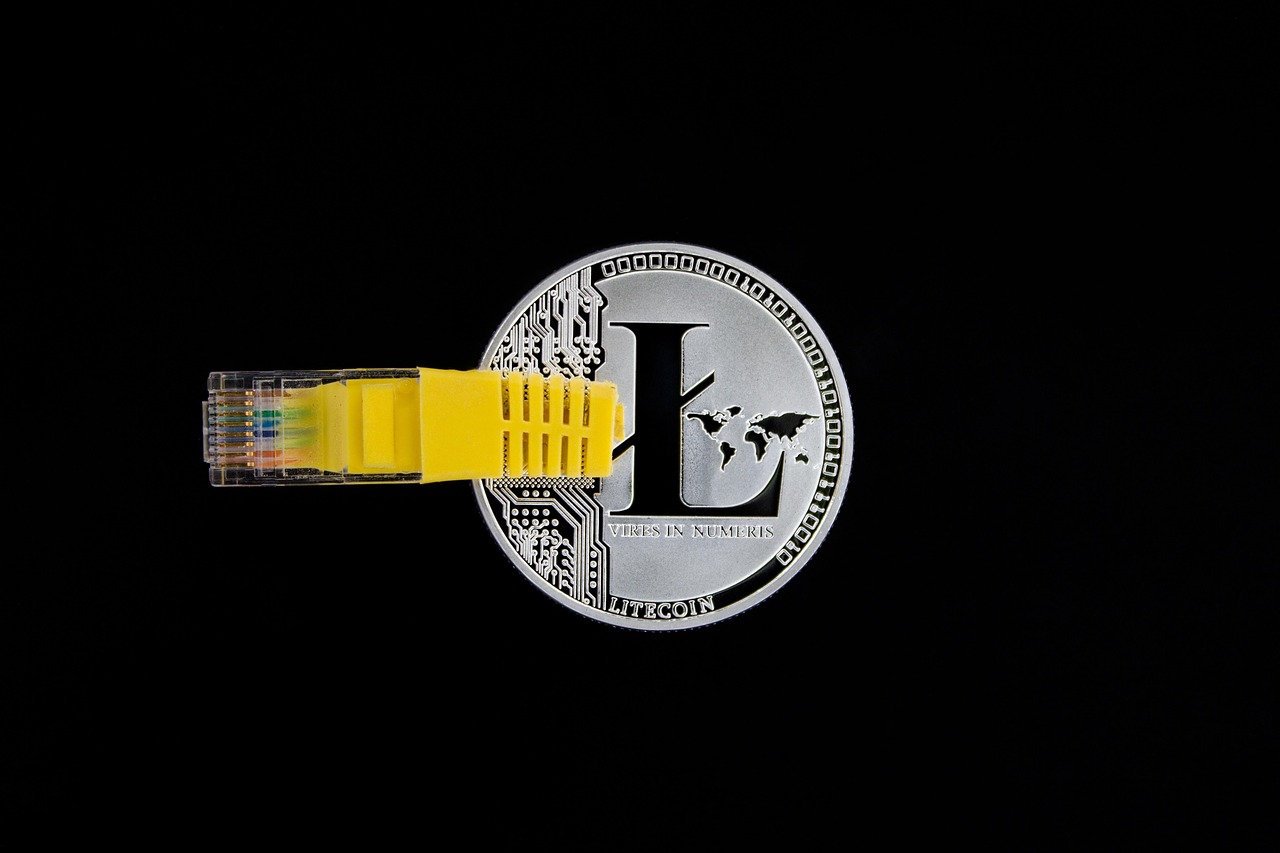
This image illustrates the concepts of crypto trading indicators and their implementation in trading strategies.
Crypto traders often employ multiple indicators together to enhance the accuracy of their analyses. The combination can amplify the effectiveness of the signals provided. For instance, a trader may use a moving average for trend identification and a relative strength index (RSI) for momentum evaluation, creating a more robust strategy. It is essential for traders to backtest their strategies using historical data to understand the effectiveness of their chosen indicators before applying them in live markets. Tools used by traders to analyze the market
However, crypto trading indicators are not suitable for every trading style or market condition. Traders should consider that indicators may lag behind market prices, making them less effective in rapidly changing environments. Using them in highly volatile scenarios can lead to misinterpretation of signals, resulting in missed opportunities or losses. When trading in sideways markets, for example, oscillators like the RSI or stochastic indicator often deliver false signals, and traders may find simple price action analysis to be more beneficial.
1. Identify trading structure.
2. Choose appropriate indicators based on strategy.
3. Backtest indicators on historical data.
4. Analyze real-time market conditions.
5. Adjust strategies based on performance.
6. Execute trades according to signals.
7. Monitor and review trades post-execution. Various forms including trend indicators

| Indicator Type | Description | Common Use Case |
|———————|——————————————————|——————————————|
| Trend Indicators | Measure the direction of price movement | Identifying bullish or bearish trends |
| Momentum Indicators | Evaluate the strength of price movements | Spotting overbought or oversold levels |
| Volume Indicators | Assess trading volume to confirm trends | Validating price movements with volume |
| Volatility Indicators| Measure market price fluctuations | Determining market risk and potential |
In practice, selecting and applying the right crypto trading indicator requires careful consideration of market conditions, trading strategies, and the trader’s objectives. The methodology should prioritize clarity and execution readiness to improve trading outcomes. This is crucial for minimizing anxiety and enhancing self-efficacy in trading decisions, particularly amidst market fluctuations.
While utilizing crypto trading indicators significantly aids in providing actionable insights and enhancing trading accuracy, it is essential for traders to remain vigilant about the limitations these indicators pose. Relying heavily on indicators without considering broader market contexts may lead to suboptimal decision-making. Therefore, ongoing education, practical experimentation, and market awareness are vital components in refining trading strategies to maximize profitability while effectively managing risk.
How can a trader effectively use market indicators when making buy or sell decisions?
Traders can incorporate indicators by analyzing signals such as overbought or oversold conditions to time their entry or exit points strategically. However, reliance solely on these indicators without considering broader market conditions or news events can lead to poor decision-making.
How do market indicators compare to fundamental analysis in cryptocurrency trading?
Market indicators focus primarily on price trends and trading volume, while fundamental analysis evaluates a cryptocurrency's underlying value based on technology, team, and market demand. The two approaches can complement each other, but relying solely on indicators may overlook crucial factors that could impact asset value.
What factors should a trader consider when choosing to implement a specific crypto trading indicator?
Traders should assess the indicator's historical performance, market conditions, and compatibility with their trading style. Additionally, certain indicators may perform well in trending markets but underperform during sideways movements, making it critical to match the indicator to the current market situation. However, this introduces tradeoffs that must be evaluated based on cost, complexity, or network conditions.