A simple, informative introduction to Crypto With Low Transaction Fees, focusing on clarity, accuracy, and real-world relevance.
December 2025 update — refreshed Crypto With Low Transaction Fees overview by Aurora Scott.
Introduction to Crypto with Low Transaction Fees
The world of cryptocurrency has revolutionized the way we conduct transactions, invest, and manage our financial portfolios. With thousands of digital currencies available, one primary concern for many users and investors revolves around transaction fees. As the market evolves, the search for crypto with low transaction fees has become increasingly relevant. In this article, we will explore the importance of transaction fees, how they affect users, and highlight some of the leading cryptocurrencies in this category.
Understanding Transaction Fees in Crypto
Transaction fees serve as an incentive for miners and validators in the blockchain ecosystem. Whenever a transaction occurs, a portion of the cryptocurrency is paid as a fee. This fee varies significantly based on the network congestion and different blockchain protocols. By understanding how transaction fees function, users can make informed decisions about which cryptocurrencies to utilize or invest in.
Several factors influence transaction fees, such as the complexity of the transaction, the urgency—where users can set higher fees for faster processing—and the overall network activity. A lower fee often translates to slower confirmation times, making it crucial for users to balance between cost and speed.
The Importance of Low Transaction Fees
Low transaction fees are essential for various reasons:
1. Cost-Effective Transactions: For daily transactions or remittances, high fees can deter users. Cropping down costs increases the practicality of using a cryptocurrency for everyday purchases.
2. Enhanced Trading Strategies: Low fees allow traders to make smaller transactions without worrying about eroding potential profits through high charges. This flexibility benefits day-traders and other active market participants.
3. Access to Financial Services: Low fees open the gates for underserved populations who might rely on cryptocurrencies for financial services. It promotes inclusivity and empowers users, especially in regions where traditional banking is costly or unavailable. Learn more about Crypto With Low Transaction Fees insights

4. Network Scalability: A network with low transaction fees can handle more users without succumbing to congestion, thus showcasing its capability to scale effectively.
Leading Cryptocurrencies with Low Transaction Fees
While many cryptocurrencies exist, here are some notable contenders that are consistently recognized for their low transaction fees:
# 1. Ripple (XRP)
Ripple is designed primarily for cross-border payments. Its transaction fees are minimal, often just a fraction of a cent, regardless of the amount transferred. XRP’s low fees empower financial institutions and individuals alike to conduct swift transactions without incurring substantial costs. This positioning has allowed Ripple to create partnerships with banks around the globe, further solidifying its reputation.
# 2. Stellar (XLM)
Similar to Ripple, Stellar focuses on facilitating low-cost international transactions. Stellar charges extremely low fees per transaction—usually only a fraction of a cent—aiming to provide financial services to those who lack access due to high traditional banking fees. The network’s focus on speed and efficiency has made it a popular choice for remittances and small-scale transactions.
# 3. Cardano (ADA)
Cardano stands out as a third-generation blockchain focusing on security and scalability. While transaction fees are dynamic, on average, they remain quite low compared to many other blockchain protocols. The development of the Cardano ecosystem is growing, and as more decentralized applications (dApps) launch on it, its affordability could appeal to broader audiences.
# 4. Polygon (MATIC)
Polygon acts as a layer-2 scaling solution for Ethereum, addressing the latter’s notorious high transaction fees. By enabling faster and cheaper transactions, Polygon has become a preferred option for dApps, games, and NFT platforms. Its economic model supports low transaction costs, which is enticing for developers and users alike.
# 5. Litecoin (LTC)
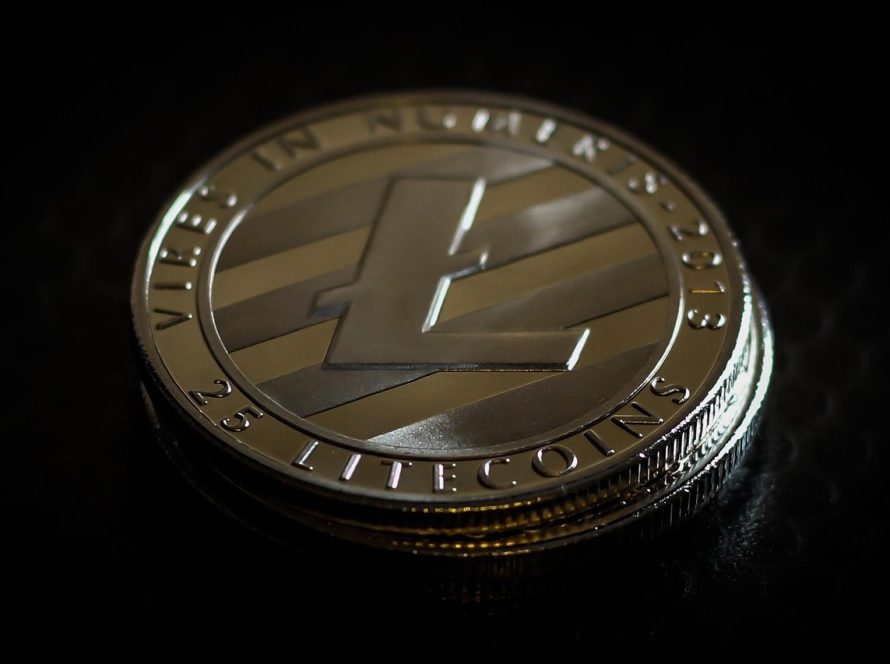
Often referred to as the silver to Bitcoin’s gold, Litecoin was designed to provide faster transaction times and lower fees. Typical Litecoin transactions cost a fraction of a dollar, making it feasible for everyday use. It’s particularly known for its reliability and speed in transactions, contributing to its longstanding popularity.
# 6. Tron (TRX)
Explore the latest Crypto With Low Transaction Fees trends
Tron aims to decentralize the internet, and it has one of the lowest transaction fees in the industry at less than a cent per transaction. Its high throughput and robust ecosystem make it an appealing choice for developers deploying entertainment and content-sharing applications.
Comparing Transaction Fees Across Networks
To better understand the advantages and disadvantages of various cryptocurrencies regarding transactional economics, consider the comparison of average transaction fees across leading blockchain platforms:
| Cryptocurrency | Average Transaction Fee (USD) | Network Purpose |
|—————-|——————————-|—————————-|
| Bitcoin | ~$1.00 | Digital Gold |
| Ethereum | ~$5.00 | Smart Contracts & dApps |
| Ripple (XRP) | ~$0.0003 | Cross-Border Payments |
| Stellar (XLM) | ~$0.00001 | International Remittances |
| Cardano (ADA) | ~$0.17 | dApps and Smart Contracts |
| Polygon (MATIC)| ~$0.01 | dApps Scaling Solution |
| Litecoin (LTC) | ~$0.02 | General Transactions |
| Tron (TRX) | ~$0.001 | Decentralized Internet |
This comparison illustrates some of the stark differences. For users focused on low transaction fees, the cryptocurrencies listed above may provide notable advantages.
Factors to Consider Beyond Transaction Fees
While low transaction fees are indeed crucial, users should also consider other significant factors, including:
1. Network Security: A solid security model is vital to reduce the risk of hacks and theft. Choosing established and well-secured networks adds a layer of safety.
2. Scalability: A coin’s ability to handle a growing number of transactions is a critical aspect as it affects performance during peak times. Deep dive into Crypto With Low Transaction Fees research

3. Adoption and Community Support: The strength of a cryptocurrency’s community can influence its acceptance and malfunction. Established coins with active communities often have better longevity and user trust.
4. Usability: The ease of using a particular cryptocurrency for everyday transactions plays a significant role in its adoption. User-friendly interfaces and supportive platforms make using crypto for transactions more accessible.
5. Ecosystem Development: A robust ecosystem of applications and services around a cryptocurrency enhances its usability and value proposition.
Future Outlook for Low Transaction Fee Cryptocurrencies
As the cryptocurrency market matures, the importance of low transaction fees will continue to grow. Institutions, businesses, and individuals are looking for cost-effective solutions that not only provide monetary savings but also address challenges like speed and accessibility.
Innovations such as layer-2 solutions—like those employed by Polygon—are paving the way for improving the functionality of existing blockchains. The potential for cross-chain compatibility is also in the exploration phase, possibly leading to solutions where low transaction fees can be a standard practice across various platforms.
Conclusion
In the dynamic world of cryptocurrency, transaction fees remain a critical consideration for investors and users alike. While many options are available, opting for crypto with low transaction fees fosters greater accessibility, usability, and financial inclusivity. By understanding the various cryptocurrencies, their transaction costs, and what they offer, individuals can make informed choices that align with their financial goals.
As always, potential investors should remain informed, evaluate various factors beyond fees, and consider the broader implications of the cryptocurrencies they choose. The landscape of cryptocurrencies continues to change rapidly, supported by innovations and new technologies aiming to reduce costs and enhance usability.
Supported by: Various industry analyses and reports on cryptocurrency transactions through 2023.
🔍 Top Takeaways
- Risk management remains essential when applying Crypto With Low Transaction Fees in live markets.
- Security and regulation will define the next phase for Crypto With Low Transaction Fees.
- Future developments in Crypto With Low Transaction Fees will likely focus on scalability and trust.
Is Crypto With Low Transaction Fees suitable for short-term trading?
Crypto With Low Transaction Fees can be applied to short-term trading when combined with real-time data and disciplined execution.
What data sources are commonly used with Crypto With Low Transaction Fees?
Data sources used with Crypto With Low Transaction Fees often include price feeds, volume metrics, on-chain data and sentiment indicators.
How does Crypto With Low Transaction Fees help manage risk?
Crypto With Low Transaction Fees helps manage risk by encouraging informed decisions and highlighting potential downside scenarios.