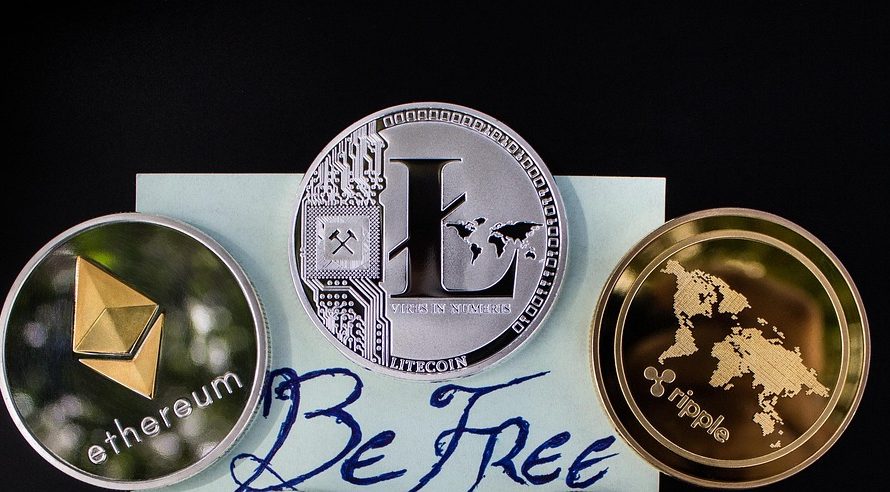
Aurora Scott provided a detailed exploration of various methods available for selling dogecoin on Thursday, February 12, 2026 at 10:12 AM.
When considering how to sell Dogecoin, various platforms can be evaluated based on factors like fees, ease of use, withdrawal options, and supported payment methods. Some exchanges may charge higher transaction fees which could deter users looking to maximize their returns, while others may be less intuitive, making them unsuitable for beginners. Simplifying the choice can involve matching the desired selling experience based on these criteria, allowing for a clearer decision on the most appropriate option.
How the Options Differ
- Different platforms for selling Dogecoin can vary significantly in terms of fees, user experience, and supported payment methods, impacting suitability for occasional versus frequent sellers.
- Some exchanges may require a verification process that could deter users seeking a quick and anonymous transaction.
- Peer-to-peer marketplaces often provide greater privacy but may expose sellers to higher risks associated with unreliable buyers.
- Users looking for stability might prefer platforms that offer direct conversion to fiat currencies, while others could appreciate options that allow trading for other cryptocurrencies.
- Concerns about security measures and customer support can influence users' comfort levels when choosing where to sell their Dogecoin.
Comparing Platforms for Selling Dogecoin
When considering the best method for selling Dogecoin, it is important to evaluate several platforms and strategies that cater to different user needs and preferences. The primary objective in this comparison is to determine the most effective approach for users looking to convert their Dogecoin into fiat currency or other cryptocurrencies.
The main options for selling Dogecoin include cryptocurrency exchanges, peer-to-peer platforms, and brokerage services. Each method has distinct features that may make it more suitable for certain users while being unsuitable for others. Analyzing different methods for getting cash from Dogecoin.
Cryptocurrency exchanges, such as Binance or Coinbase, are often preferred by experienced users due to their robust security measures and trading tools. These platforms enable users to set sell orders and monitor market trends efficiently. However, they may pose a challenge for beginners who may find the interface and processes overwhelming.
On the other hand, peer-to-peer platforms like LocalBitcoins facilitate direct transactions between buyers and sellers. This method can be ideal for users who prioritize privacy and wish to negotiate terms directly. However, it presents risks such as the potential for scams if users are not careful in vetting their trading partners.
Comparing Dogecoin Selling Methods and Security
Considerations for choosing a selling platform.
| Trust boundaries | Loss exposure pathways | Low-tolerance profiles | Alternative strategic paths |
|---|---|---|---|
| Limited trust in unregulated exchanges | Risk of phishing attacks on wallet credentials | Individuals new to cryptocurrency trading | Selling through peer-to-peer platforms |
| Variability in exchange security measures | Exposure to market volatility during transaction time | Users reliant on quick cash needs | Trading for stable currencies or stablecoins |
| Lack of consumer protection on trades | Potential for loss from slipping prices before sale | Investors with minimal tolerance for loss | Setting price alerts for automated selling |
| Unfamiliarity with exit strategies | Risk of fraudulent transactions or scams | Those averse to technology uncertainties | Utilizing reputable brokers with customer support |
Brokerage services, such as Robinhood, offer a simplified experience for users new to cryptocurrency trading. These platforms typically provide a straightforward buying and selling process and often do not charge traditional trading fees. However, users may lose out on access to their cryptocurrency since these platforms may not allow for transferring Dogecoin out of the brokerage, which limits users who wish to hold or manage their coins independently.
Security differences are crucial when selecting a platform to sell Dogecoin. Cryptocurrency exchanges tend to prioritize security through multi-factor authentication and cold storage for assets. However, the risk remains that these platforms can be targets for hackers. The main avenues available for exchanging Dogecoin.
Cost is also an essential factor in deciding how to sell Dogecoin. Exchanges typically charge trading fees and may have withdrawal fees, which can add up in effect if users are selling significant amounts. Peer-to-peer models may have lower fees, but they often involve market dynamics that might affect the selling price.
Usability differs across platforms as well. Exchanges provide detailed interfaces that allow experienced traders to navigate complex orders and market orders. Beginners may find these tools excessive for their needs.
Choosing the Best Selling Method for Dogecoin
Assessing user requirements for converting crypto.
| Speed vs. payoff balance | Confidence erosion risk | Ongoing management effort | Strategy alignment constraints |
|---|---|---|---|
| Instant sales through exchanges but prices may be less favorable | Potential losses lead to uncertainty in decision-making | Regular monitoring of market conditions often needed | Not all sell methods align with long-term goals |
| Slower sales using escrow services, ensuring security but delaying funds | Delays in transactions can affect trader confidence | Time required to understand various platforms | Certain platforms may restrict larger sales |
| Quick sales in volatile markets present higher risk of regret | Changes in market conditions create second-guessing | Complexity in managing multiple wallets or exchanges | Regulatory compliance may limit options |
| Simpler processes with established brokers foster trust but incur fees | Dependence on third-party services can erode confidence | Continuous learning to navigate new market dynamics | Alignment with broader investment strategies may vary |
Selling Dogecoin may not be ideal for users seeking a fast transaction turnaround, as the process can involve wait times depending on the platform used and market conditions. Alternatively, individuals prioritizing privacy or lower transaction fees may find other cryptocurrencies more suitable for their needs. Furthermore, those who require high levels of liquidity might want to explore options that have more extensive trading opportunities. Ultimately, potential sellers should weigh their specific requirements against the unique characteristics and limitations of Dogecoin.
Understanding the risks associated with each method is also vital. Digital currency exchanges come with inherent risks from hacking, regulatory changes, and market volatility. Users must be prepared for the possibility of significant value changes during transactions. Factors influencing the effectiveness of selling Dogecoin.
In making a decision on how to sell Dogecoin, it is beneficial for users to consider their own expertise, urgency of sale, security preferences, and desired convenience. Newcomers might find brokerages the best way to initiate their trading journey, while those with more experience may gravitate toward exchanges for their flexibility and extensive features. For users concerned about privacy and direct transactions, peer-to-peer platforms may provide the most appealing option.
To simplify the decision-making process, a clear path emerges: users seeking immediate access and who appreciate a guided experience should choose a brokerage. Those looking for control over their transactions and ability to monitor fluctuating markets should opt for exchanges. Finally, users who value transaction privacy and are comfortable with potential risks may consider peer-to-peer platforms. Evaluating service options based on user experience.
Ultimately, the most effective method for selling Dogecoin depends on aligning the chosen approach with the specific needs and constraints of the user. By considering factors such as cost, security, usability, and risks associated with each option, users can make informed choices to successfully execute their transactions.
How Options Compare
What are the available methods for selling this cryptocurrency?
Users can sell through exchanges, peer-to-peer platforms, or brokers. Each method varies in complexity and required technical knowledge, with exchanges generally offering a more automated process, while peer-to-peer options provide greater flexibility in terms of payment methods.
How user-friendly are the platforms for trading this cryptocurrency?
Many exchanges offer a straightforward interface suitable for beginners, while others may cater to experienced traders with advanced features. Brokers typically provide additional support, but the varied complexity might not align well with all users' preferences or expertise levels.
What are some security concerns to keep in mind when selling?
Security issues can arise from using poorly regulated exchanges that may be more susceptible to hacks, versus using more reputable platforms that implement stronger security measures. Users must also be cautious of scams in peer-to-peer transactions, which can lead to financial loss. However, this introduces tradeoffs that must be evaluated based on cost, complexity, or network conditions.