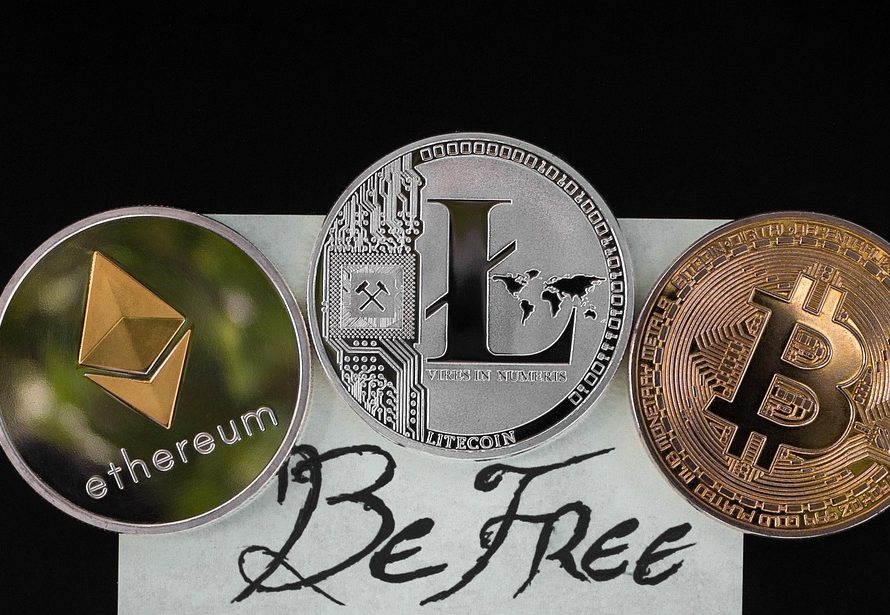
Aurora Scott provides an overview of what is defi staking in the latest analysis published on Tuesday, February 10, 2026 at 10:30 AM.
DeFi staking involves locking up cryptocurrency assets in decentralized finance protocols to support the network’s operations, such as validating transactions or providing liquidity. Before proceeding, ensure you fully understand the specific staking requirements of the platform you wish to use, as well as the risks associated with potential slashing, illiquidity, or changes in interest rates. Additionally, confirm you have sufficient capital and meet any necessary eligibility criteria, as well as a plan for managing your staked assets to avoid common pitfalls.
What to Prepare For
- DeFi staking involves locking up cryptocurrency in a decentralized finance platform to earn rewards, but it's essential to assess the specific protocols and tokens used, as conditions can vary significantly.
- Users should prepare for potential risks, including smart contract vulnerabilities and fluctuations in token value, which can impact overall returns.
- Understanding transaction fees and withdrawal restrictions beforehand is crucial to avoid unexpected costs and commitments during the staking process.
- A clear understanding of the required technical knowledge and time investment for setting up a staking operation can help ensure a smoother experience.
- It is important to evaluate your own risk tolerance and investment horizon related to the volatility typical in decentralized finance before proceeding with staking activities.
Preparing for Successful DeFi Staking Engagement
Decentralized finance, often referred to as DeFi, has emerged as a transformative force in the financial landscape, enabling users to engage in various forms of financial activities without relying on traditional banking systems. One prominent practice within this realm is staking, which has the potential to yield significant benefits, provided users are well-prepared. Insights on preparing for DeFi staking involvement.
To engage in staking, it is vital to approach it with a solid understanding of necessary security preparations. Users must ensure that they are employing secure wallets, and utilizing reputable platforms that support DeFi protocols. Implementing two-factor authentication and keeping private keys safe reduces the risk of unauthorized access to funds. A closer look at decentralized finance operations.
Preparation also involves an assessment of the resources required for effective staking. Users should familiarize themselves with the specific platforms offering staking opportunities, the assets that can be staked, and any associated fees or minimum requirements. It’s important to clarify the prerequisites, such as having adequate knowledge of blockchain technology and the specific mechanisms behind the staking process.
Ensuring Readiness for Staking Participation
Essential security measures before engaging in staking.
When considering the time and effort involved, individuals should expect dedicated time to research and understand the nuances of different staking protocols. Each project may have its own requirements in terms of duration and conditions under which staked assets can be unstaked. A realistic forecast regarding these time commitments can alleviate any anxiety linked to the perceived complexities of DeFi. Factors influencing potential rewards from staking.
Before proceeding, validating readiness is essential. Users should reflect on whether they have conducted sufficient due diligence on the projects they are interested in. This includes examining the project’s whitepaper, governance structures, and community engagement. Navigating challenges within decentralized financial activities.
Reinforcement of user confidence can come from recognizing the potential returns on investment. Understanding the rewards associated with staking various assets can make the process more appealing. This knowledge, coupled with a solid grasp of risk management practices, can empower users to proceed with assurance. Key tools and resources for successful staking.
- Begin by identifying a reputable decentralized finance platform that offers staking services and aligns with your investment goals.
- Evaluate the specific requirements for staking, including minimum investment amounts and associated fees, to set realistic financial expectations.
- Ensure you have a secure cryptocurrency wallet that supports the tokens you plan to stake, mitigating the risk of losses due to technical failures.
- Familiarize yourself with the staking process on the chosen platform, including key actions like delegating tokens and understanding lock-up periods to avoid surprises.
- Implement necessary security measures, such as two-factor authentication and strong passwords, to safeguard your assets.
- Anticipate the time commitment required for monitoring your stake and the associated rewards to prevent dissatisfaction with the process.
- Regularly verify your staking settings and reward distribution to catch any discrepancies early and avoid common pitfalls.
Preparing for Staking in Decentralized Finance
DeFi staking is not optimal for users seeking guaranteed returns or those who may require immediate liquidity, as the value of staked assets can fluctuate significantly, impacting overall gains. Additionally, individuals with a low risk tolerance or limited understanding of smart contracts and blockchain technology might prefer traditional financial mechanisms, which offer more stability and regulation. Users should consider alternatives when they are averse to the potential loss of funds due to smart contract vulnerabilities, or if they are unwilling to engage with the complexities and fine print often associated with decentralized finance platforms.
Creating a forward momentum in the staking process means summarizing one’s readiness. Users should now feel equipped to engage in staking, supported by the insights gained through careful planning. A structured approach focusing on security, time commitment, and informed decision-making ultimately serves to enhance the staking experience.
Before taking definitive action, users should ensure that they have established verification safeguards to prevent common missteps. This includes confirming that they have sufficient funds for staking, along with a thorough understanding of withdrawal conditions should they choose to exit their positions.
Finally, with all necessary preparations, motivations, and confidence checkpoints in place, individuals can move forward with their staking ventures in the decentralized finance ecosystem. This deliberate, well-informed approach can facilitate success and pave the way for fruitful engagement in this innovative financial landscape.
Questions Before Taking Action
How does decentralized finance staking work?
Decentralized finance staking allows users to lock their cryptocurrency in a smart contract to support network operations, such as validating transactions. In return, users earn rewards based on the amount and duration of their stake. It's important to ensure you understand the specific staking requirements of the platform you choose, as each one may have different rules regarding lock-up periods and reward distributions. However, this introduces tradeoffs that must be evaluated based on cost, complexity, or network conditions.
What are the practical benefits of engaging in this form of staking?
Engaging in this form of staking can provide users with the opportunity to earn passive income through rewards while contributing to the network's security and efficiency. However, you need to consider the liquidity of your assets, as staking often requires them to be locked for a predetermined time, which may limit your access to funds in case of market volatility.
What risks should I be aware of before staking my assets in this environment?
Before staking your assets, it is crucial to understand the risks involved, such as potential loss of funds due to smart contract vulnerabilities or network failures. Additionally, the market price of the staked asset may decline, affecting the value of rewards you earn. Ensure you are familiar with the platform’s track record and any associated fees. However, this introduces tradeoffs that must be evaluated based on cost, complexity, or network conditions.