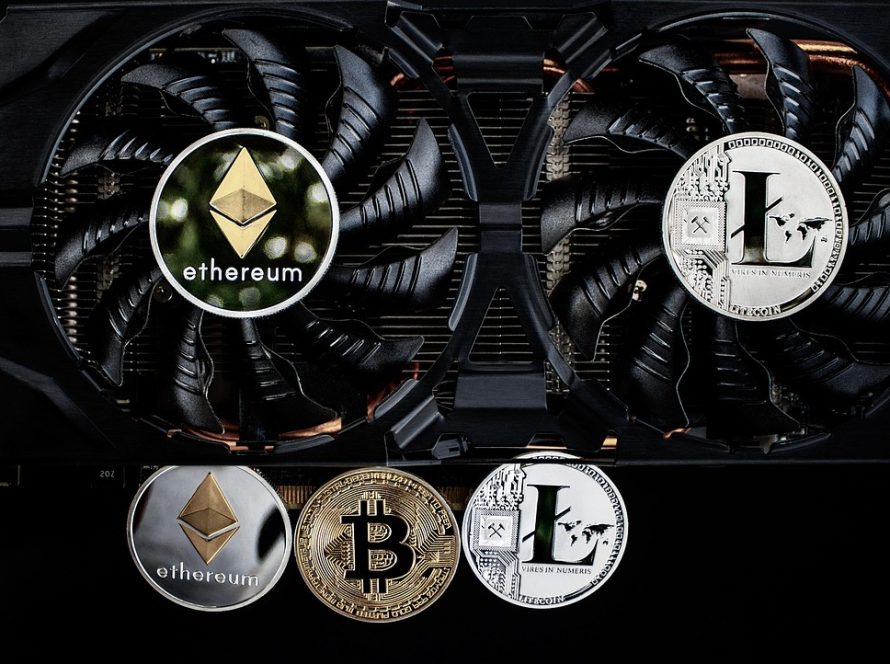
In her latest analysis, Aurora Scott explores the intricate mechanisms of how does bitcoin work, providing an in-depth comparison of its transaction efficiency and underlying security features on Tuesday, February 10, 2026 at 06:42 AM.
Bitcoin operates on a decentralized ledger technology known as blockchain, where transactions are recorded in blocks that are linked to one another. Unlike traditional currencies managed by central banks, Bitcoin’s value is influenced by factors such as scarcity and demand, which can lead to significant price fluctuations. When comparing Bitcoin to other digital currencies, considerations around transaction speed, network security, and regulatory environments highlight important differences that can impact user choice and associated risks.
How the Options Differ
- Bitcoin operates on a decentralized ledger called blockchain, which ensures transparency and security through cryptographic techniques.
- Users can choose between various wallets, each offering different levels of security and ease of use, with some being more suitable for everyday transactions and others for long-term storage.
- The primary motivation for using Bitcoin includes its potential as an alternative to traditional currencies and the opportunity for investment returns, appealing to different user profiles based on their risk tolerance.
- While Bitcoin provides advantages such as low transaction fees and quick cross-border payments, it also presents risks related to price volatility and regulatory scrutiny that can impact user experiences.
- The user experience can vary significantly across different platforms and services, with some options prioritizing simplicity for beginners while others cater to experienced users seeking advanced trading features.
Evaluating Bitcoin Against Alternative Cryptocurrencies
Bitcoin operates as a decentralized digital currency, but evaluating how it works requires a comparison to alternative cryptocurrencies, each built on different technologies and principles. The ease of use and suitability across options like Bitcoin and Ethereum, for instance, varies significantly depending on the user’s needs and experience level. The intricate mechanisms of Bitcoin.
Bitcoin was designed primarily for peer-to-peer transactions and is renowned for its security and simplicity. The process of creating new bitcoins—mining—requires substantial computational work, which necessitates a certain level of technical knowledge. For users seeking a straightforward means of transferring value, Bitcoin generally presents an accessible option. Transaction efficiency compared to other cryptocurrencies.
| Reliability limits | Value erosion scenarios | Capital-protection seekers | Traditional fallback choices |
|---|---|---|---|
| Network congestion can hinder transaction speed | Price volatility can lead to significant financial loss | Users seeking stability may find it inadequate | Conventional banking offers predictable stability |
| Dependence on technology can lead to access issues | Hacks or scams can result in lost investments | Customers valuing security may prefer insured options | Traditional assets provide clearer and regulated ownership |
| Environmental impact raises concerns about scalability | Market manipulation risks can diminish trust | Risk-averse individuals may reject speculative assets | Cash reserves offer guaranteed liquidity |
| Technical knowledge barrier limits user adoption | Legal regulatory changes can affect usability | Those unfamiliar with tech might feel excluded | Cash or credit systems are widely understood and easy to use |
However, when users assess which option to adopt, common points of hesitation can arise. Prospective users may worry about volatility, security, or the learning curve associated with using cryptocurrency wallets and exchanges. These concerns require careful consideration as they impact user confidence and adoption.
Bitcoin Versus Alternative Cryptocurrencies Comparison
Underlying security features in Bitcoin and its alternatives.
User profiles significantly influence the choice between Bitcoin and other cryptocurrencies. For individuals focused solely on trading or investing, especially those concerned with security, Bitcoin may be seen as the safest option, being the first and most recognized cryptocurrency. On the other hand, developers or those interested in building decentralized applications may find Ethereum to be more suited to their needs due to its programming capabilities. The suitability of Bitcoin versus Ethereum.
| Total ownership burden | Uncertainty tolerance required | Ongoing management effort | Strategy alignment constraints |
|---|---|---|---|
| Initial setup requires significant investment in hardware and software | Users must be comfortable with unpredictable market fluctuations | Continuous monitoring needed for wallet security and transactions | Long-term investment strategies may conflict with asset goals |
| High transaction fees can accumulate during peak periods | Willingness to accept potential losses impacts decision-making | Learning curve involved in understanding the technology | Not suitable for short-term investors seeking quick returns |
| Energy consumption leads to ongoing operational costs | Potential regulatory changes can create uncertainty | Increased effort to stay updated with evolving technology | Users with specific asset allocation goals might find it misaligned |
| Depending on the chosen platform can affect transaction reliability | Users must be prepared for potential service interruptions | Need for regular software updates and backups | Risk-averse strategies may clash with the inherent volatility of cryptocurrency |
When comparing activities across these platforms, Bitcoin tends to have lower transaction fees than many altcoins, particularly during times of network congestion. However, this can variably depend on the market conditions and the specific coin in question. Moreover, while Bitcoin’s scalability has seen improvements, some alternative cryptocurrencies have been developed with advanced mechanisms aimed at addressing transaction speed and fee structures, which might be more appealing to certain users. Evaluation criteria for digital currencies.
Security is another critical factor when considering how Bitcoin works as compared to other options. Bitcoin’s network benefits from an extensive ecosystem of miners that reinforce the overall security and integrity of transactions. Conversely, some newer cryptocurrencies may still be establishing their security measures and could potentially be more vulnerable to different types of attacks. How different technologies impact usability?
In conclusion, understanding how Bitcoin works provides a foundational knowledge that can guide users as they compare it to other cryptocurrencies. Each option has particular advantages and disadvantages, making it essential for users to assess their needs, experience levels, and specific goals. Whether one is looking for a simple transaction solution or contemplating involvement in more complex applications will ultimately determine which cryptocurrency is best suited for their profile.
How Options Compare
What is the basic mechanism behind the digital currency?
Bitcoin operates on a decentralized ledger called the blockchain, where transactions are recorded in blocks linked together. This public ledger ensures transparency and security, but it requires significant computational power for transaction verification, resulting in slower transaction speeds compared to traditional payment systems.
How can individuals utilize this cryptocurrency in everyday transactions?
People can use Bitcoin to buy goods and services at vendors that accept it, or they can trade it on various exchanges. While this offers flexibility, the fluctuating value of Bitcoin can create uncertainty in pricing and may result in higher costs due to conversion rates.
What are the main risks associated with using Bitcoin?
Users face risks such as price volatility, potential hacking incidents, and regulatory uncertainty, which can affect the legality of transactions. Unlike traditional banking systems, transactions in Bitcoin are irreversible, meaning that errors or fraud cannot be easily corrected. However, this introduces tradeoffs that must be evaluated based on cost, complexity, or network conditions.