Aurora Scott reported on Sunday, February 08, 2026 at 11:33 AM, the latest analyses comparing potential future valuations of Dogecoin in relation to other cryptocurrencies.
Evaluating the potential for Dogecoin’s price to rise involves comparing its market performance characteristics against other cryptocurrencies like Bitcoin and Ethereum, which could build investor confidence. Cost-related differences, such as transaction fees and market cap, also play a significant role in affecting investor choice among these digital currencies. Furthermore, assessing the ease of acquisition and suitability for different investor profiles reveals that Dogecoin may appeal more to casual investors, whereas those comfortable with higher risks might lean toward more established assets.
How the Options Differ
- The potential for Dogecoin to rise significantly depends on overall market trends and investor sentiment, similar to other cryptocurrencies.
- Comparatively, Dogecoin is often viewed as more accessible for casual investors due to its lower price point and widespread recognition, making it easier for new users to engage with.
- For risk-averse investors, more established cryptocurrencies like Bitcoin could be more suitable, as they may offer a greater sense of stability compared to the volatility typically associated with Dogecoin.
- Those seeking high-risk, high-reward opportunities may find Dogecoin appealing, while users looking for long-term stability might prefer options with more extensive use cases and proven track records.
- The community-driven nature of Dogecoin can enhance its appeal for users valuing social engagement in investment decisions, but may render it less appealing to users focused strictly on technological advancements or utility.
Comparing Dogecoin with Bitcoin and Ethereum
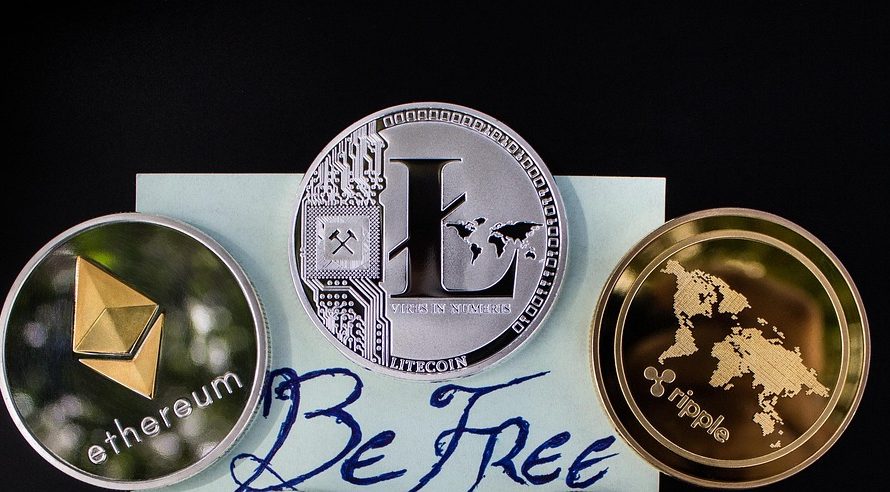
In evaluating the potential future value of Dogecoin, it’s important to examine it alongside a few other cryptocurrencies, particularly Bitcoin and Ethereum. Each of these digital assets has unique characteristics and market dynamics that influence their pricing and investment appeal. By contrasting these options, we can clarify the criteria for a well-informed decision. Analyzing the future value of various cryptocurrencies.
Starting with the current market price, Dogecoin typically operates at a much lower entry point compared to Bitcoin and Ethereum. While Bitcoin often trades in the tens of thousands of dollars and Ethereum significantly higher than Dogecoin, the latter’s affordability can attract a different segment of investors. This price difference may serve as a shortcut for potential investors looking to enter the market with a smaller capital outlay. Contrasting the market dynamics of Dogecoin and Bitcoin.
When considering growth potential, Bitcoin and Ethereum have established themselves through their widespread adoption and utility. Bitcoin is often viewed as a store of value, while Ethereum offers a robust platform for decentralized applications and smart contracts. In contrast, Dogecoin started as a meme but has gained traction due to community support and celebrity endorsements.
Comparing Cryptocurrencies: Understanding Dogecoin’s Potential
Key considerations when comparing Dogecoin to Ethereum.
Evaluating costs associated with investing in Dogecoin versus Bitcoin and Ethereum reveals significant differences in transaction fees. Dogecoin generally has lower transaction fees compared to Bitcoin, which can be appealing to users looking for cost-effective alternatives. However, Ethereum’s current network congestion often leads to higher fees, making it less attractive for smaller transactions. Exploring potential price paths for digital assets.
Risk is another critical aspect when considering these options. Bitcoin is often perceived as the safest among the three, benefiting from its first-mover advantage and a large market capitalization that typically buffers against volatility. Ethereum, while slightly more volatile, offers more functional utility with projects and platforms being developed on its blockchain. Understanding the unique characteristics influencing valuation.
In terms of usability, Dogecoin stands out for its simple transaction capabilities and a strong, enthusiastic community backing it. It is user-friendly for newcomers to cryptocurrency, but it lacks the robust infrastructure that Ethereum provides for developers. Bitcoin, while secure, can be less user-friendly due to its comparative complexity in handling transactions.
Comparing Dogecoin With Major Cryptocurrencies
Evaluating investment appeal across different cryptocurrencies.
Exploring the potential height of Dogecoin is not advisable for individuals seeking stable investments or those with a low risk tolerance, as its value can be highly volatile compared to more established cryptocurrencies. Additionally, this analysis may not suit users who require solid fundamentals or reliable backing in their investment choices. For those prioritizing clarity and certainty in their financial strategies, options with established performance records and less speculative risk profiles may be more suitable.
Performance characteristics further contrast the three assets. Bitcoin generally showcases relatively stable growth trends, whereas Ethereum’s value can fluctuate significantly based on technological developments and market trends. Dogecoin’s performance is usually tied to populist movements and trends rather than fundamental changes in its ecosystem, leading to unpredictable price swings.
Demographic fit should also be analyzed. Younger investors and those more inclined towards speculative trading may find Dogecoin’s community vibe more suitable, while seasoned investors could relate better with Bitcoin’s long-standing reputation or Ethereum’s innovation-driven environment. Understanding the investor profile can refine the choice between these cryptocurrencies.
To simplify the decision-making process, investors may benefit from focusing on what they prioritize: affordability, volatility potential, transaction efficiency, or long-term growth. Those prioritizing low costs and the possibility of widespread community involvement might gravitate towards Dogecoin. Investors interested in stability and institutional backing may prefer Bitcoin, while those seeking innovation and utility might lean towards Ethereum.
In conclusion, comparing Dogecoin with Bitcoin and Ethereum is instrumental for understanding where potential growth could lead. Each cryptocurrency presents different investment profiles influenced by market dynamics, risks, costs, and functionalities. Ultimately, assessing personal investment goals and risk tolerance can guide investors in determining how high Dogecoin could go relative to other digital assets.
How Options Compare
What is the projected potential value increase for this cryptocurrency?
The potential value increase for Dogecoin is influenced by market trends, adoption rates, and overall cryptocurrency sentiment. Additionally, technological developments and community support can play significant roles in determining how high its price could rise over time. However, this introduces tradeoffs that must be evaluated based on cost, complexity, or network conditions.
How can I effectively use Dogecoin for transactions?
Dogecoin can be used for online transactions, tipping content creators, and donations to charity. Its low transaction fees and fast processing times make it suitable for small transfers, but it faces competition from other cryptocurrencies that may offer better scalability or broader acceptance. However, this introduces tradeoffs that must be evaluated based on cost, complexity, or network conditions.
What are the risks associated with investing in Dogecoin?
Investing in Dogecoin carries several risks, including price volatility and the potential for significant market fluctuations. Unlike established cryptocurrencies, Dogecoin lacks a capped supply, which may contribute to inflationary pressures and uncertainty regarding long-term value stabilization. However, this introduces tradeoffs that must be evaluated based on cost, complexity, or network conditions.