Aurora Scott provides an analysis on the current circulation of bitcoins as of Thursday, January 22, 2026 at 04:23 AM, comparing it to previous data to highlight trends in digital currency usage.
The total supply of Bitcoin is capped at 21 million coins, a fundamental aspect of its design intended to create scarcity. As of October 2023, over 19 million bitcoins have already been mined and are in circulation. This means that the available supply is continually approaching its maximum limit, influencing market dynamics and investor sentiment.
Bitcoin works by utilizing a decentralized ledger known as the blockchain. Each transaction is recorded in this ledger, ensuring transparency and security. Miners validate transactions by solving complex mathematical problems, which simultaneously leads to the generation of new bitcoins. Current circulation of bitcoins

The rate at which new bitcoins are created is halved approximately every four years in an event called the “halving.” This halving event not only reduces the issuance of new bitcoins but also significantly impacts market perceptions and investment strategies. The next halving is expected to take place in 2024, at which point mining rewards will decrease from 6.25 to 3.125 bitcoins per block.
The supply dynamics of Bitcoin create unique investment opportunities and risks. Investors often use metrics like scarcity and inflation rate to assess Bitcoin’s value proposition relative to traditional assets. As the number of mined bitcoins approaches the cap, the debate around Bitcoin’s long-term value intensifies, justifying its status as a digital gold alternative. Available supply is continually approaching its maximum limit

The tradeoff associated with investing in Bitcoin lies in its volatile nature and the potential for significant price swings. While Bitcoin offers an opportunity for high returns, it may not be suitable for conservative investors seeking stability. Additionally, regulatory uncertainties could impact Bitcoin’s adoption and value. Investors should consider traditional asset classes or more stable cryptocurrencies as alternatives if they require lower volatility.
The first step in understanding Bitcoin’s circulation is to acknowledge its cryptographic foundation, providing security and immutability. Influencing market dynamics and investor sentiment
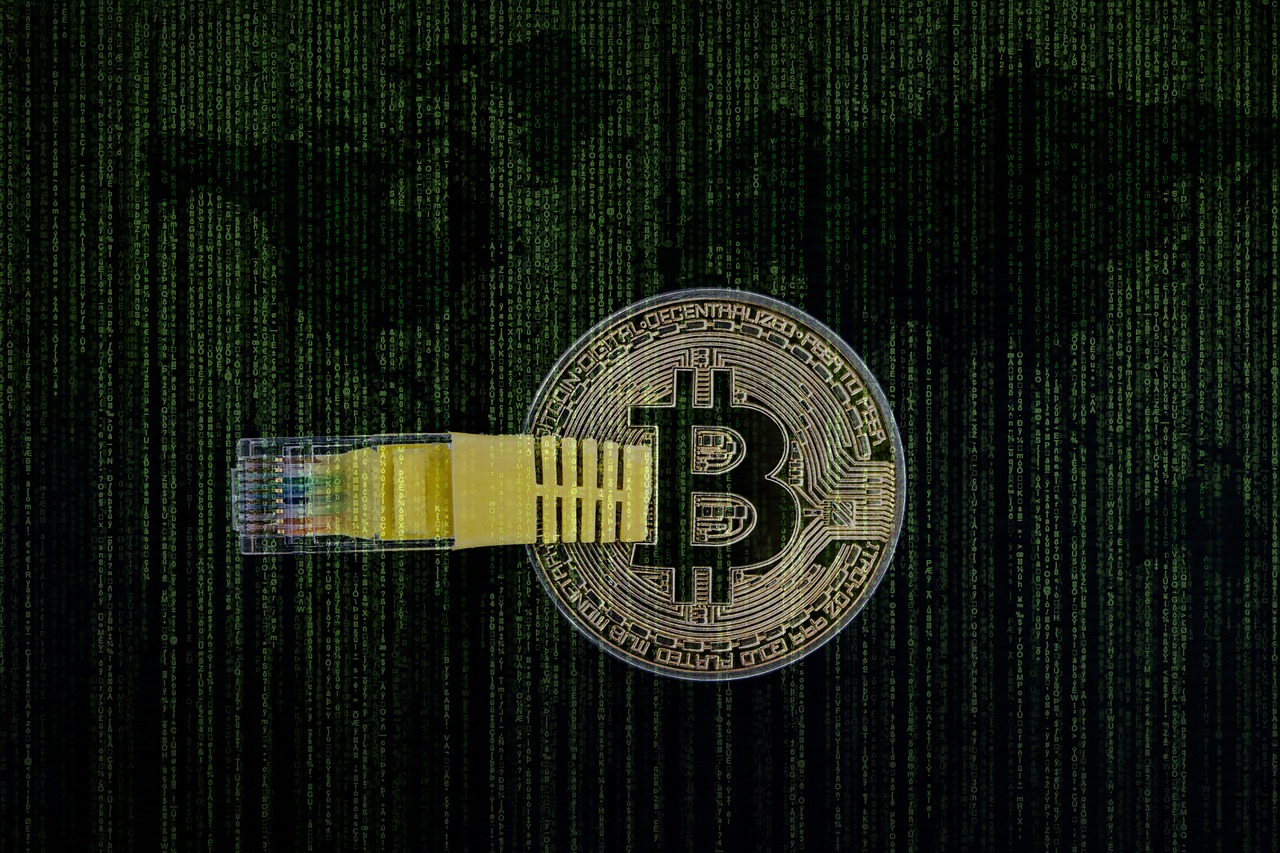
1. Bitcoin operates on a peer-to-peer network enabling decentralized transactions without intermediaries.
2. It is important to understand the mining process, as it is pivotal in the creation of new bitcoins and maintaining the blockchain.
3. Continuous education on Bitcoin’s market trends and technological developments is essential for informed investment decisions.
| Evaluation Criterion | Bitcoin | Traditional Assets |
|———————–|————————–|—————————|
| Volatility | High | Moderate to Low |
| Supply Control | Capped at 21 million | Influenced by economic policy |
| Transaction Speed | Up to 10 minutes | Varies by asset class |
In conclusion, as of late 2023, the circulation of bitcoins is approaching 19 million, with a finite maximum of 21 million. As the ecosystem evolves, investors are encouraged to remain vigilant about market trends, technological advancements, and regulatory impacts that may influence future valuations and investment strategies in Bitcoin.
Key Takeaways
- As of October 2023, approximately 19.5 million bitcoins have been mined and are in circulation, out of a maximum supply of 21 million.
- The rate of new bitcoin issuance decreases approximately every four years during an event known as the "halving," affecting the total supply over time.
- Compared to traditional fiat currencies, which can be printed in unlimited quantities, the capped supply of bitcoin introduces scarcity in its long-term value proposition.
What factors determine the total number of bitcoins in circulation?
The total number of bitcoins in circulation is primarily limited by the Bitcoin protocol, which caps the maximum supply at 21 million. Bitcoins are released through a process called mining, where new bitcoins are created as miners validate transactions and secure the network. Additionally, some bitcoins are lost or rendered inaccessible, effectively reducing the circulating supply.
What criteria should one consider when evaluating the number of bitcoins in circulation for investment decisions?
Investors should assess the circulating supply alongside metrics like market demand, transaction volume, and market cap to gauge potential price movements. It's critical to understand that while a lower circulating supply could indicate potential for price appreciation, high volatility and external market factors might impact investment outcomes significantly.