An overview of Trust Wallet Login that highlights why it exists, how it is used, and what users should know.
Trust Wallet Login insights updated December 2025 — commentary by Aurora Scott.
Trust wallet login refers to the process of accessing the Trust Wallet, a cryptocurrency wallet that allows users to manage, store, and exchange various cryptocurrencies securely. This login procedure emphasizes user security while facilitating ease of access, allowing users to engage with their digital assets efficiently. Understanding the various methods available for logging into Trust Wallet can enable users to make informed decisions regarding the best approach for their needs.
Several methods are available for Trust Wallet login: with a recovery phrase, through a mobile device, and via a desktop application. Each method has its distinct advantages and disadvantages regarding security, usability, and accessibility. By evaluating these options, users can determine the method that aligns best with their personal preferences and security requirements.
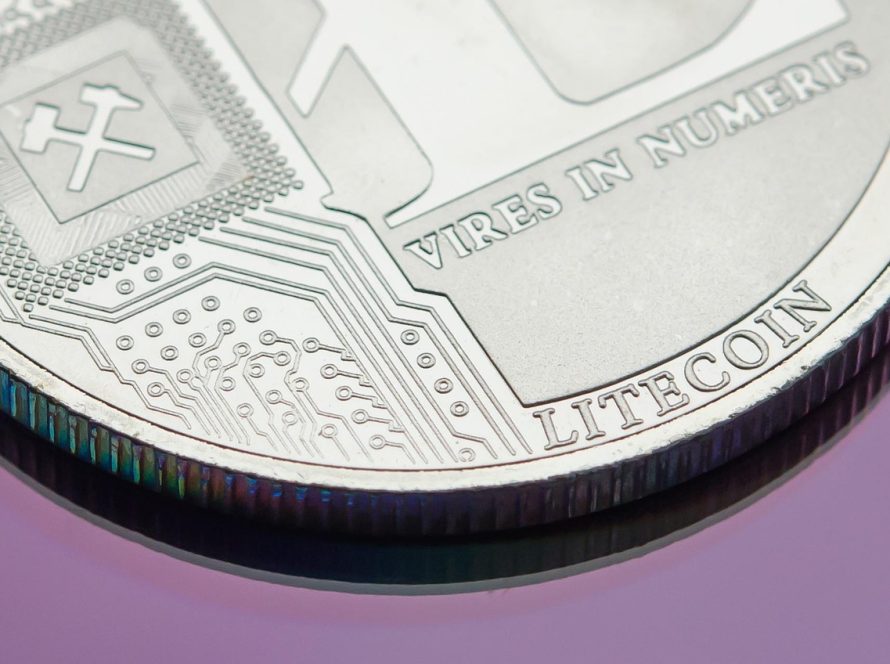
This image illustrates the various methods available for accessing Trust Wallet, underscoring security and user preferences.
The first login method, using a recovery phrase, offers high security. Users generate a 12- or 24-word recovery phrase during the wallet setup, which can recover wallet access if the device is lost. This option is crucial for maintaining control over assets but can be cumbersome if the recovery phrase is misplaced. Learn more about Trust Wallet Login insights

Login through a mobile device is the most user-friendly option, allowing for biometric authentication, such as fingerprint or facial recognition. This enhances security while providing quick access to the wallet. However, reliance on the device means that loss or damage can hinder access to the wallet.
The desktop application offers a comprehensive interface for managing cryptocurrencies, but its security is heavily reliant on the device’s safety. Malware or viruses can jeopardize the login process, making it a riskier option compared to mobile or recovery phrase methods.
Understanding the trade-offs among these login methods can help users select the most suitable option based on their experience and security needs.
The evaluation of Trust Wallet login methods is not ideal for users who prioritize extremely high-security environments or those seeking multi-user access. Alternatives like hardware wallets or solutions designed for multi-signature access may better serve such needs. Additionally, users may encounter edge cases where reliance on a mobile device poses risks, such as planned traveling where device accessibility is uncertain. Other systems can offer easier recovery processes for lost funds, reducing anxiety in the event of a lost access point. Explore the latest Trust Wallet Login trends

1. Recovery Phrase:
– High security
– Risk of loss or theft
– Requires careful management
2. Mobile Device:
– User-friendly
– Biometric authentication
– Device dependency risks
3. Desktop Application:
– Comprehensive management
– Vulnerable to malware
– Potentially complex interface
| Method | Security Level | User Experience | Best Use Case |
|——————–|—————-|——————|—————————|
| Recovery Phrase | High | Medium | Long-term asset holders |
| Mobile Device | Medium | High | Frequent traders |
| Desktop Application | Medium | Low to Medium | Advanced users | Deep dive into Trust Wallet Login research

In practice, a user’s experience may vary based on operational preferences or environmental factors. For instance, mobile device permissions can be restrictive in certain countries due to regulations, leading to limited access. Likewise, users operating in public places may prefer the added security of a recovery phrase to deter unauthorized access.
The choice of Trust Wallet login method should account for user proficiency, asset management style, and acceptable risk levels. By critically evaluating the various login options, users can create a security framework that aligns with their needs, ultimately maximizing the utility of their digital assets.
In conclusion, the decision around Trust Wallet login methods must rest on personal comfort with technology and security needs. Whether opting for the high-security paradigm of a recovery phrase or the convenience of a mobile device, users are recommended to maintain backups and be aware of the risks associated with each method.
🔍 Top Takeaways
- Data-driven insights are improving long-term Trust Wallet Login strategies.
- Adoption of Trust Wallet Login technologies is expected to rise steadily.
- Security and regulation will define the next phase for Trust Wallet Login.
Is Trust Wallet Login useful for long-term investors?
Trust Wallet Login can support long-term investors by improving risk evaluation and offering structured insights into market behavior.
What tools help with Trust Wallet Login?
Several tools help with Trust Wallet Login, typically offering dashboards, alerts, analytics or automated workflows for traders.
How does regulation impact Trust Wallet Login?
Regulation affects Trust Wallet Login by shaping compliance expectations, reporting rules and how crypto information is distributed.